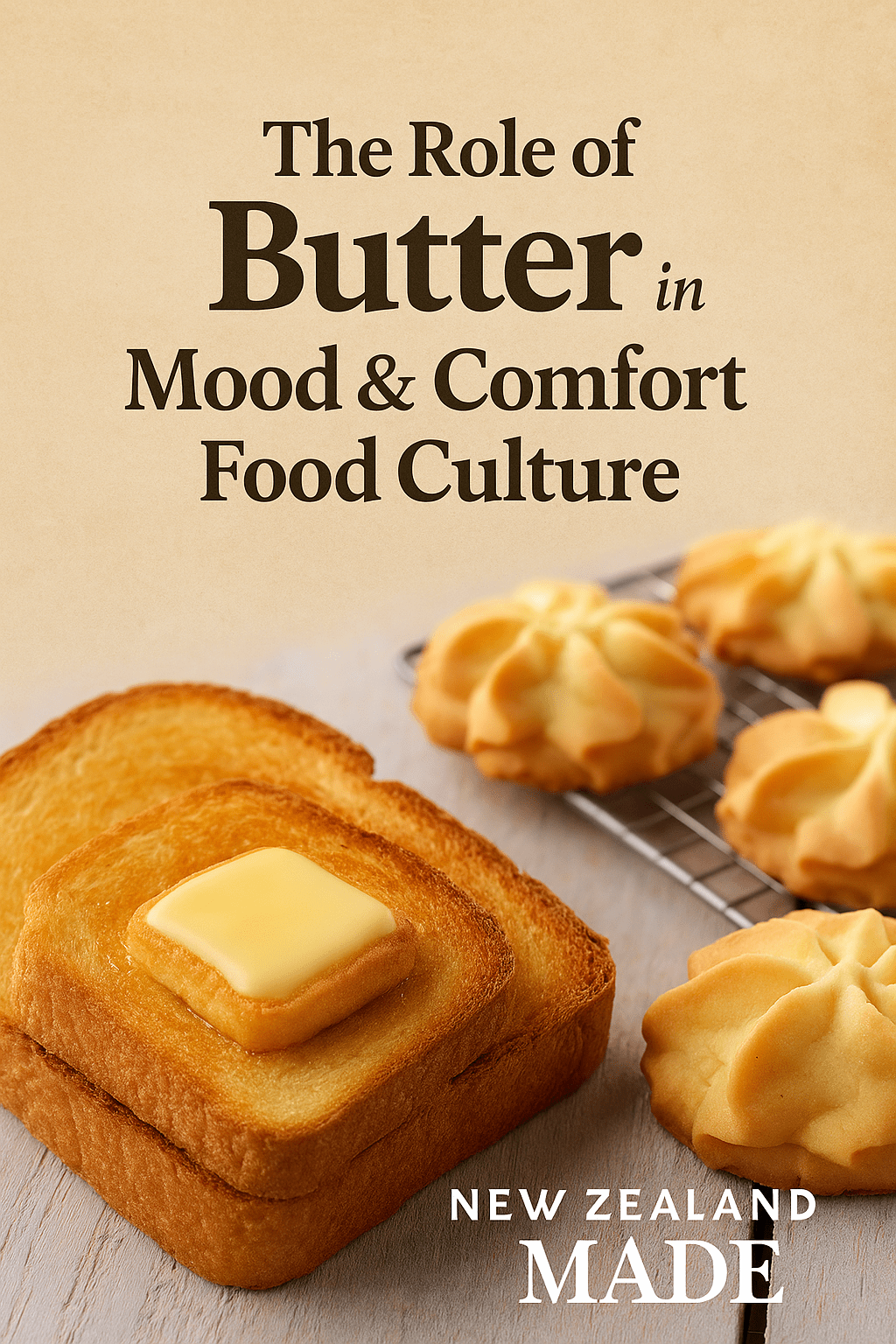
Butter Cookies: Why Real Butter Guarantees Unmatched Aroma
There are few treats as universally beloved and comforting as a batch of freshly baked butter cookies. Their delicate crunch, melt-in-your-mouth texture, and above all, their intoxicating aroma, evoke a sense of warmth and nostalgia. But what truly elevates a good butter cookie to an extraordinary one? The secret, as many seasoned bakers will attest, lies squarely in one foundational ingredient: real butter. While substitutions might seem tempting for various reasons, they simply cannot replicate the profound depth of flavor and irresistible fragrance that genuine butter brings to the table.
Imagine walking into a kitchen where a tray of golden-edged butter cookies has just emerged from the oven. That rich, sweet, slightly nutty scent wafting through the air is unmistakably the magic of butter at work. It's a promise of deliciousness that no other fat can fully deliver. In this article, we'll delve deep into why real butter is indispensable for the ultimate butter cookie experience, explore the critical differences between butter and its common alternatives, and arm you with practical tips to bake perfect, aromatic butter cookies every single time.
The Unrivaled Power of Real Butter in Cookies
The name "butter cookies" isn't just a label; it's a declaration of the star ingredient. Real butter, a dairy product made from churning milk or cream, is a complex fat comprising milk solids, water, and milkfat. It's this unique composition that makes it a powerhouse in baking, particularly for cookies where aroma and texture are paramount.
Firstly, consider the aroma. When butter heats, the milk solids within it undergo the Maillard reaction, a chemical process that creates hundreds of new flavor compounds. This is the same reaction responsible for the browning and savory notes in seared meats and toasted bread. In butter cookies, it translates into a rich, caramel-like, and deeply satisfying fragrance that permeates your kitchen and entices your senses. Margarine, typically made from vegetable oils, lacks these milk solids, and therefore, cannot produce the same complex aromatic profile. Even if artificially flavored, it often falls short of butter's natural, creamy depth.
Beyond scent, butter is crucial for the signature texture of these cookies. Its specific fat crystal structure and relatively low melting point contribute to a delicate, tender crumb that practically dissolves in your mouth. As the cookies bake, the butter melts slowly, creating tiny pockets of air and ensuring a beautifully crisp exterior without being hard or dry. The fat then helps carry the flavors evenly throughout the cookie, ensuring every bite is as delicious as the last. This combination of superior aroma and exquisite texture is precisely why real butter is non-negotiable for true butter cookie aficionados.
Butter vs. Margarine: Understanding the Flavor & Texture Divide
The choice between butter and margarine is perhaps the most critical decision when embarking on a butter cookie recipe. While both are fats, their fundamental differences significantly impact the final product.
- Butter: Derived from dairy, butter is a natural product with a distinctive, rich, and creamy flavor. Its fat content is primarily milkfat, alongside a small percentage of water and milk solids. These milk solids are the heroes behind the incredible browning and complex flavors developed during baking. Butter's consistent melting point also contributes to predictable texture and spread.
- Margarine: Often seen as a budget-friendly alternative, margarine is typically made from hydrogenated vegetable oils. It's designed to mimic butter's texture but lacks the inherent flavor complexity. Margarine usually contains more water and emulsifiers, and crucially, no milk solids. While some premium margarines exist that are closer in composition, many standard varieties can lead to cookies that taste greasier, have a less appealing aroma, and sometimes a tougher or less tender texture due to their different fat compositions and higher water content.
When you substitute butter entirely with margarine, you essentially strip the cookie of its aromatic soul. The difference is stark: a margarine cookie might be crispy, but it won't have that deep, lingering, luxurious fragrance. While some bakers opt for a blend of butter and margarine (often to balance cost with flavor), the consensus remains: if aroma is your priority, butter should form the majority, if not the entirety, of your fat content. Always choose unsalted butter for baking to have better control over the salt content in your recipe.
Crafting the Perfect Butter Cookie: Texture, Shape, and Aroma
Achieving that coveted crispy texture, maintaining beautiful shapes, and maximizing aroma requires attention to a few key aspects of your baking process. Let's break down how to get it right.
Mastering Texture and Aroma
The foundation of a perfect texture and aroma begins with the ingredients and mixing. Ensure your butter is at room temperature – softened but not melted. This allows it to cream properly with sugar, incorporating air that contributes to a light, tender crumb. Using powdered sugar instead of granulated sugar also helps create a smoother, finer texture. A touch of vanilla extract, while sometimes skipped, can beautifully complement and enhance the natural butter flavor, adding another layer of aromatic richness.
The original recipe's inclusion of both all-purpose flour and cornstarch is a brilliant move. All-purpose flour provides structure, while cornstarch is a secret weapon for tenderness and crispiness. It reduces gluten development, resulting in a more delicate bite. When adding dry ingredients to the creamed butter mixture, mix *just* until combined. Over-mixing can develop gluten, leading to tougher cookies. For more comprehensive tips on achieving that desired crispiness and maximizing aroma, consider exploring Homemade Crispy Butter Cookies: Tips for Perfect Shape & Aroma.
Shaping Up: Preventing Spreading
One of the most common challenges with piped butter cookies is maintaining their intricate shapes. As one baker lamented, what started as "roses" can easily turn into "semprit" (a common Indonesian piped cookie that often spreads) if not handled correctly. The primary culprit for spreading is warm dough and high fat content. Here's how to combat it:
- Chill Your Dough: This is perhaps the most critical step. After mixing, refrigerate your cookie dough for at least 30 minutes, or even longer. Chilling solidifies the butter, making the dough firmer and less likely to spread rapidly when it hits the hot oven.
- Use a Large Piping Tip: A larger piping tip provides better support for the dough as it's piped, helping to create more defined patterns that hold up better during baking.
- Oven Temperature: Bake at a consistent, moderate temperature (around 165°C / 325°F). Too high, and the butter melts too quickly before the flour sets; too low, and the cookies might dry out before achieving crispness.
- The Egg Question: Some traditional butter cookie recipes omit eggs for a snappier, crispier texture. Adding an egg, as the reference baker did, can make the cookie slightly richer or chewier, but it can also contribute to spreading if the dough isn't properly chilled or if there's too much moisture. If you prioritize a very crisp cookie and defined shape, consider omitting the egg, or reducing the amount slightly if you find your dough consistently spreads.
Remember, while perfect shapes are aesthetically pleasing, a slightly imperfect cookie that tastes divine is always superior. However, for those keen on mastering the art of perfectly shaped butter cookies, our guide on Crispy Butter Cookies Recipe: How to Prevent Spreading & Get Shape provides even more in-depth strategies.
Mastering Your Butter Cookie Bake: Tips for Success
Beyond the core components, a few extra tips can elevate your butter cookie game from good to absolutely fantastic:
- Quality Ingredients Matter: Start with fresh, high-quality unsalted butter and good all-purpose flour. Even vanilla extract quality can make a difference.
- Don't Over-Cream: While creaming butter and sugar until pale and fluffy is essential for incorporating air, avoid over-creaming, which can sometimes lead to excessive spread. Aim for a light, airy texture.
- Room Temperature Eggs (if using): If you do decide to include an egg, ensure it's at room temperature. This helps it emulsify better with the butter mixture, leading to a smoother dough.
- Even Baking: Rotate your baking sheets halfway through the baking time to ensure even browning. If your oven has hot spots, this is crucial.
- Cool Completely: Allow cookies to cool completely on a wire rack before storing. This allows them to fully crisp up and prevents them from becoming soggy.
- Storage: Store butter cookies in an airtight container at room temperature for up to two weeks to maintain their freshness and crispness.
- A Pinch of Salt: Don't forget a small pinch of fine salt in your dough. It's a flavor enhancer that balances the sweetness and brings out the nutty notes of the butter.
Beyond the Basic Butter Cookie: Variations and Pairings
While the classic butter cookie is a delight on its own, its simple base makes it a fantastic canvas for creative variations:
- Citrus Zest: Add lemon, orange, or lime zest to the dough for a bright, refreshing flavor profile.
- Nutty Notes: Incorporate finely ground almonds or pistachios for added texture and a delicate nutty taste.
- Chocolate Drizzle: A simple drizzle of melted dark or white chocolate after baking adds elegance and extra indulgence.
- Spices: A hint of cardamom, cinnamon, or even a touch of ginger can transform the flavor profile, making them perfect for festive seasons.
- Almond Extract: Substitute a portion of the vanilla extract with almond extract for a distinct, sophisticated flavor.
- Sprinkles: Add colorful sprinkles to the dough or on top before baking for a fun, celebratory touch, especially for children.
Butter cookies are also incredibly versatile in how they're enjoyed. They pair perfectly with a steaming cup of coffee or tea, a tall glass of cold milk, or even alongside a scoop of ice cream for a delightful dessert experience. They are the ideal treat for fika breaks, afternoon tea, or simply a quick pick-me-up.
Conclusion
In the realm of cookies, the butter cookie stands as a testament to the power of simple, high-quality ingredients. Its unmatched aroma, delicate crispness, and rich flavor are inextricably linked to the generous use of real butter. While there are always ways to adapt recipes, compromising on the butter means sacrificing the very essence of what makes these cookies so special. So, the next time you crave that irresistible aroma and melt-in-your-mouth texture, embrace the butter. Chill your dough, pipe with confidence, and enjoy the pure, unadulterated joy of truly authentic butter cookies – a timeless classic that promises to fill your home with a fragrance as delightful as its taste.
